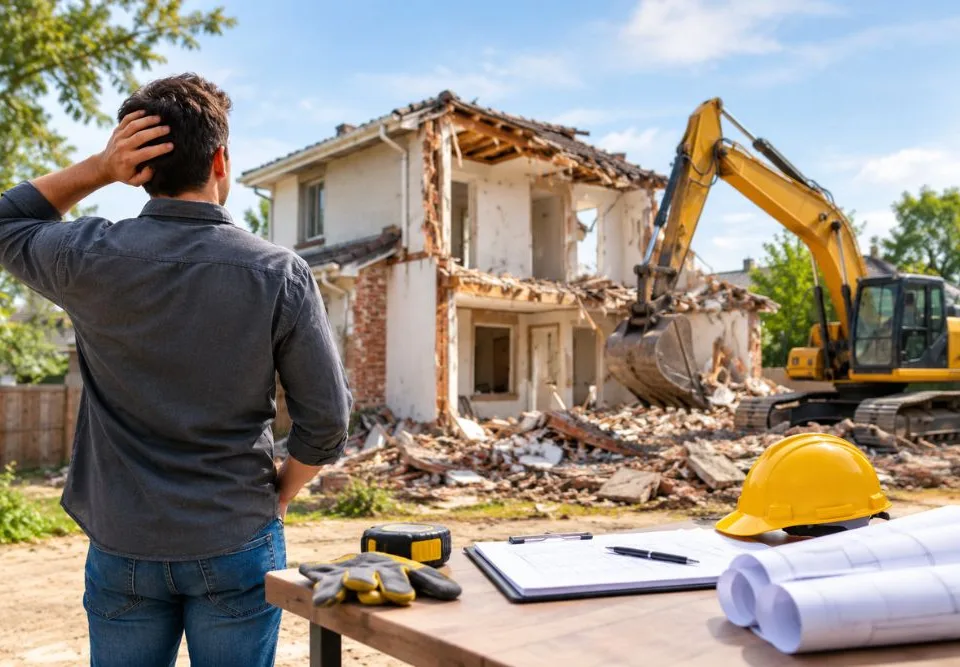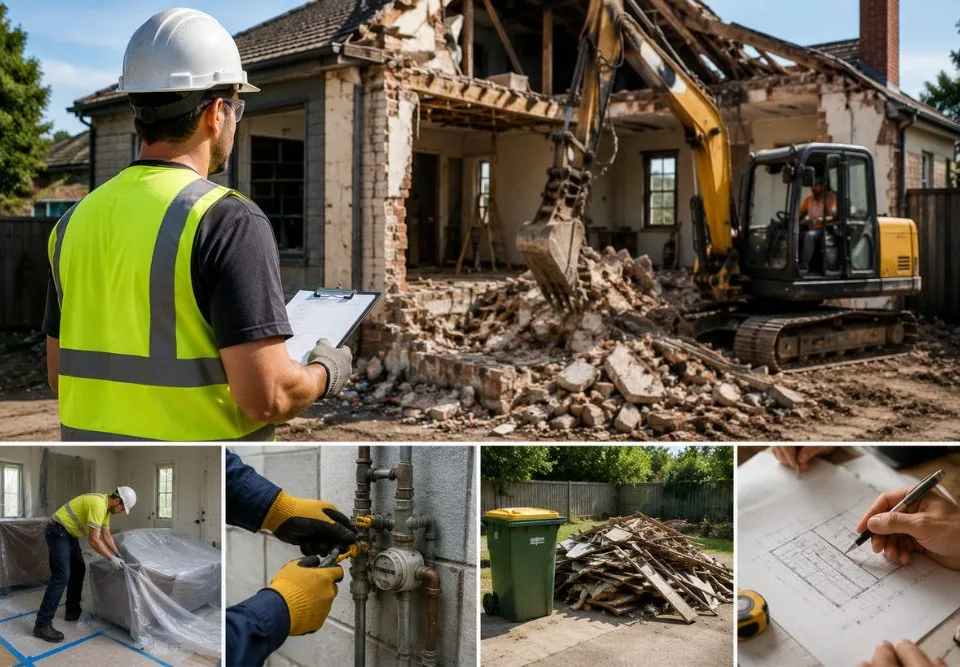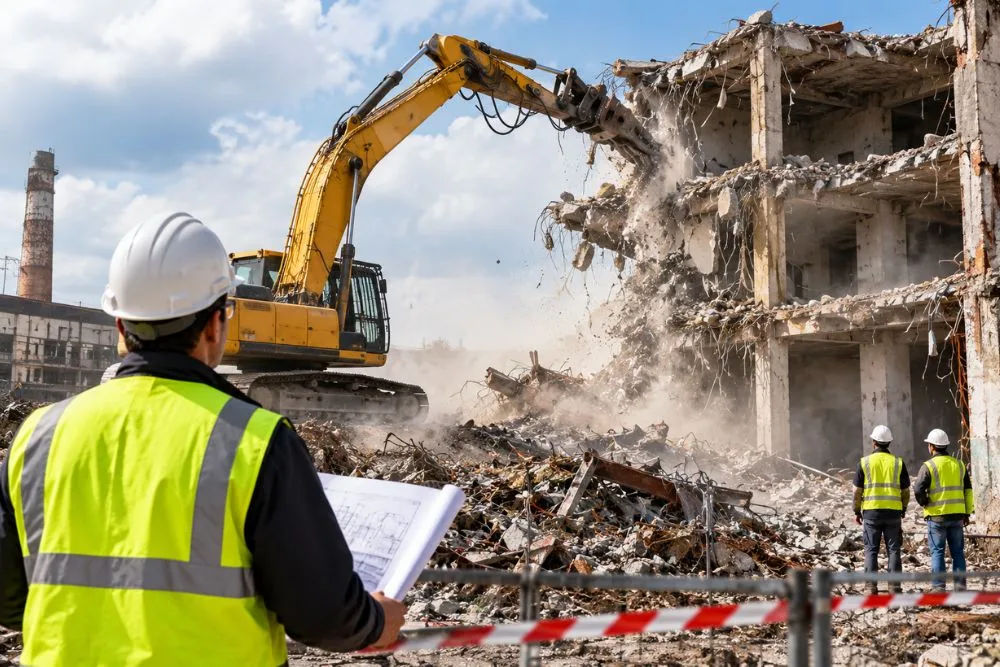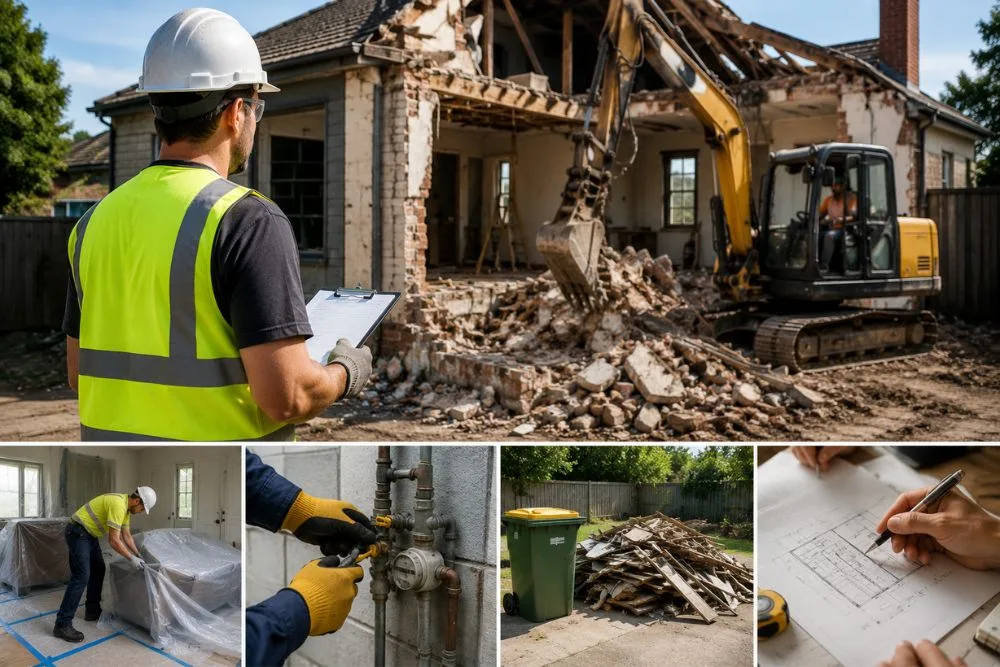
When planning a residential demolition project, choosing the right residential demolition services and understanding the difference between demolition and deconstruction is essential. While they may appear to mean the same thing — removing a house or structure — they are actually very different processes with distinct outcomes, benefits, and considerations. Understanding these differences is important for anyone planning to remove a building, whether for renovation, rebuilding, or preparing land for future development. Understanding how each method works can help you choose the right approach for your project.
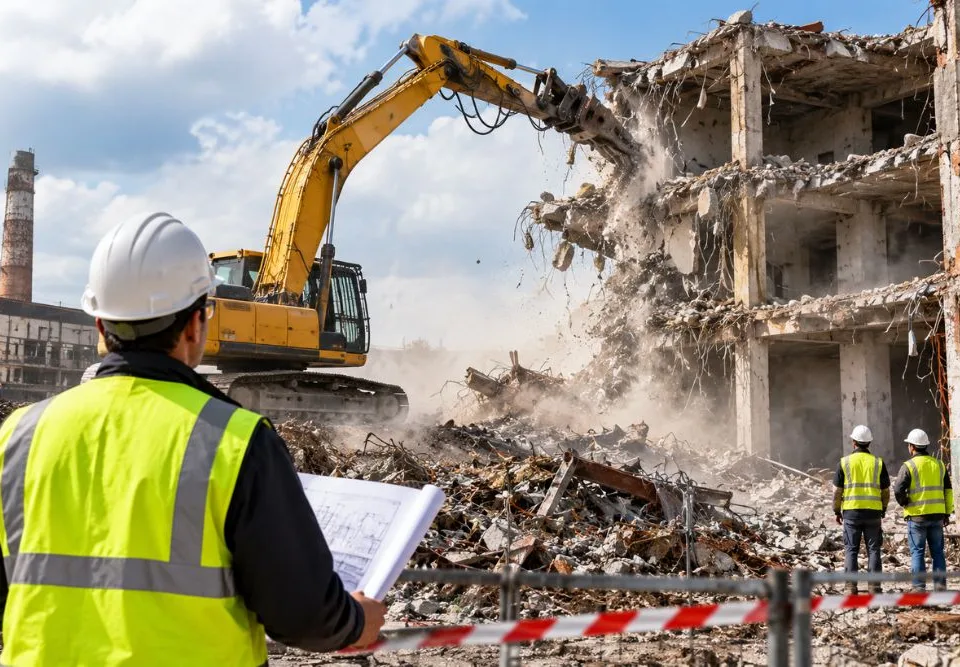
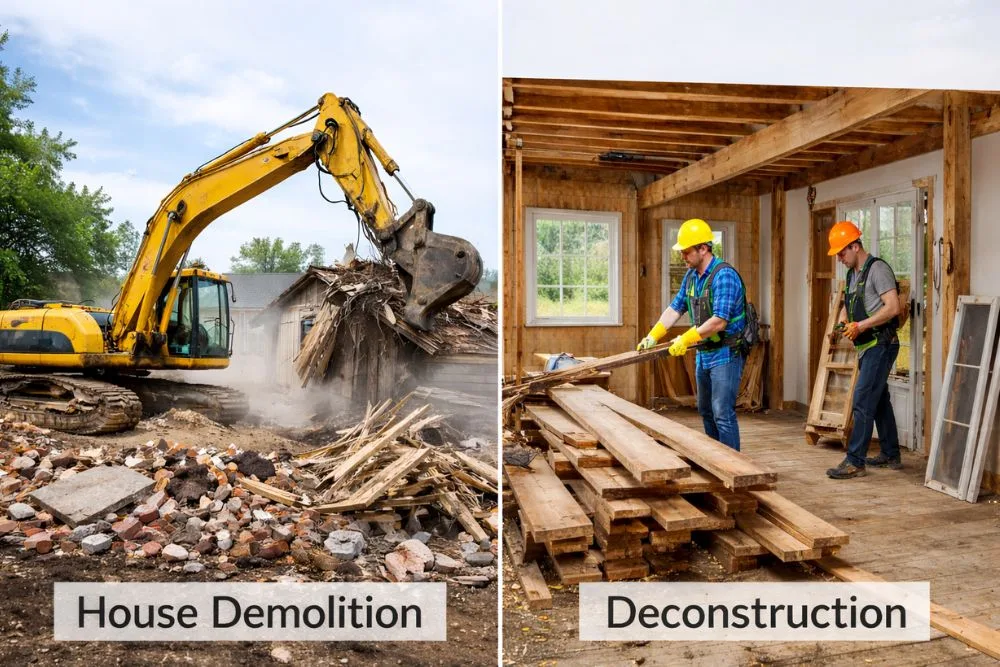
Demolition and deconstruction are two distinct methods for removing residential structures. In-house demolition projects, each approach represents a different way of removing structures. Demolition typically involves the complete and rapid dismantling of a building. This is usually carried out using heavy machinery that can level the structure quickly, making it the preferred option when fast site clearance is required.
Deconstruction, by contrast, is a more detailed and controlled process. The structure is carefully taken apart piece by piece, with the goal of salvaging materials for reuse or recycling. This approach requires skilled labour and generally takes longer to complete. However, it offers environmental advantages by reducing landfill waste and conserving valuable building resources.
Both methods clear a site, but they involve different timelines, costs, and waste management requirements. These differences should be carefully considered as they can influence planning decisions and project outcomes.
House demolition offers clear advantages when projects require efficient site clearance and cost-effective outcomes. When the objective is to clear a site quickly for new construction, professional residential demolition services provide an efficient and practical solution.
For many residential projects, demolition remains the preferred option due to its speed, efficiency, and straightforward execution.
Deconstruction is often chosen for projects where material recovery and waste reduction are priorities. By focusing on sustainability and responsible waste management, this method supports broader ecological goals.
Choosing deconstruction supports environmentally responsible building practices and encourages the efficient use of existing resources.
Project cost is a key consideration when deciding between demolition and deconstruction. Property owners should compare upfront costs, timelines, and waste management requirements.
Demolition generally involves lower upfront costs due to faster completion and reliance on machinery. However, additional expenses such as landfill fees or environmental compliance costs may apply.
Deconstruction typically requires a higher initial investment because of increased labour and longer project timelines. Nevertheless, financial benefits may arise from salvaged materials, reduced disposal costs, and possible tax incentives.
Ultimately, the most suitable option will depend on which financial factors — short-term costs or long-term value — have greater importance for your project.
Choosing between demolition and deconstruction depends on several practical project factors.
Speaking with experienced residential demolition contractors can help you choose the most suitable method for your site.
Both house demolition and deconstruction are effective methods for removing structures, each offering distinct advantages. Demolition provides a fast and cost-efficient solution for site clearance, while deconstruction focuses on sustainability and material recovery. Choosing the right method depends on your site requirements, project timeline, and overall budget. Working with experienced demolition contractors helps ensure the project is completed safely, efficiently, and in line with local regulations.



We accept all major credit cards