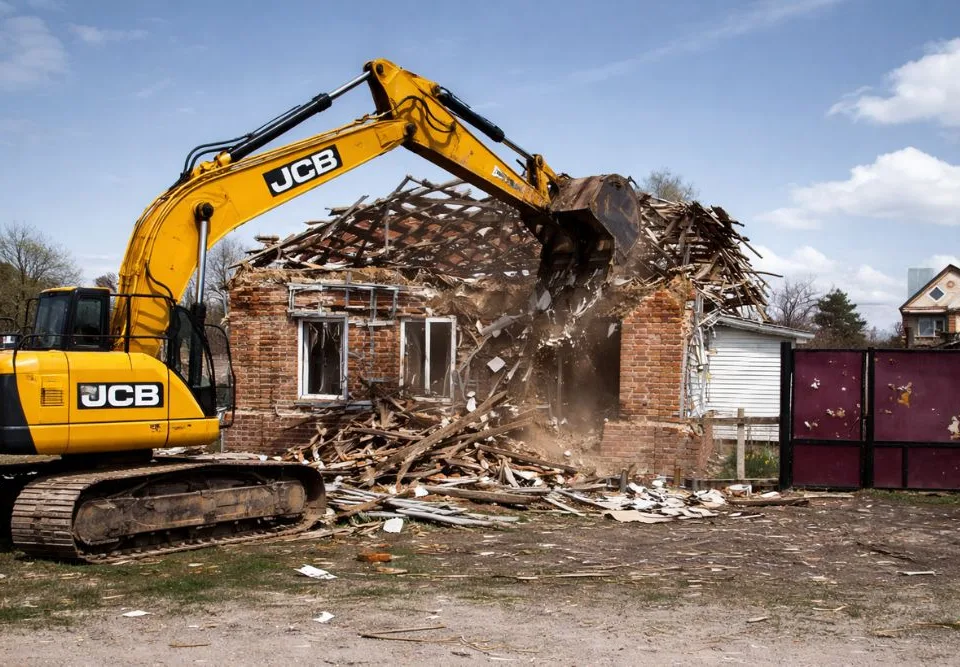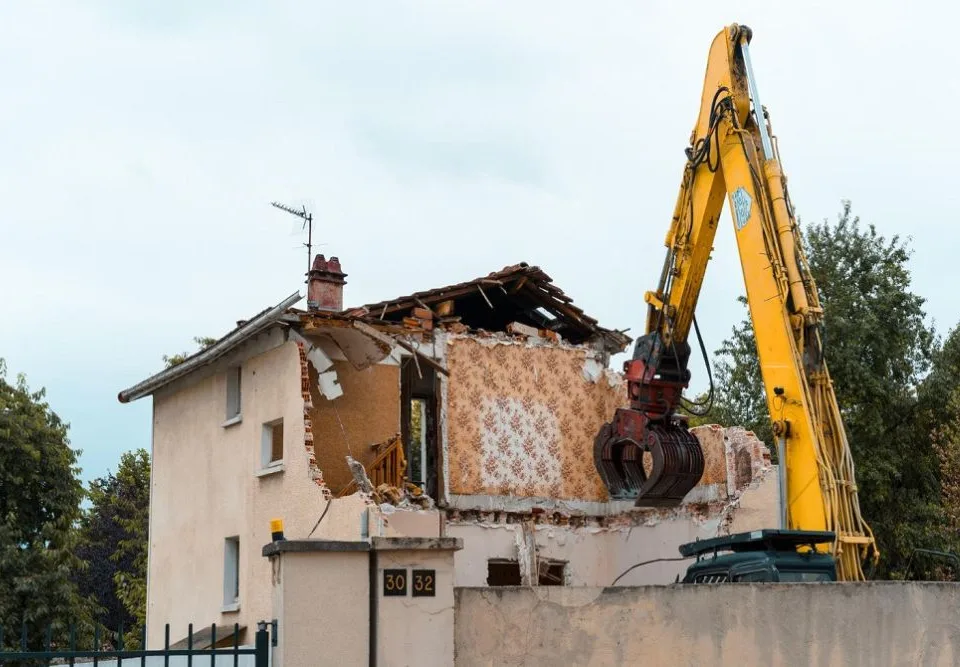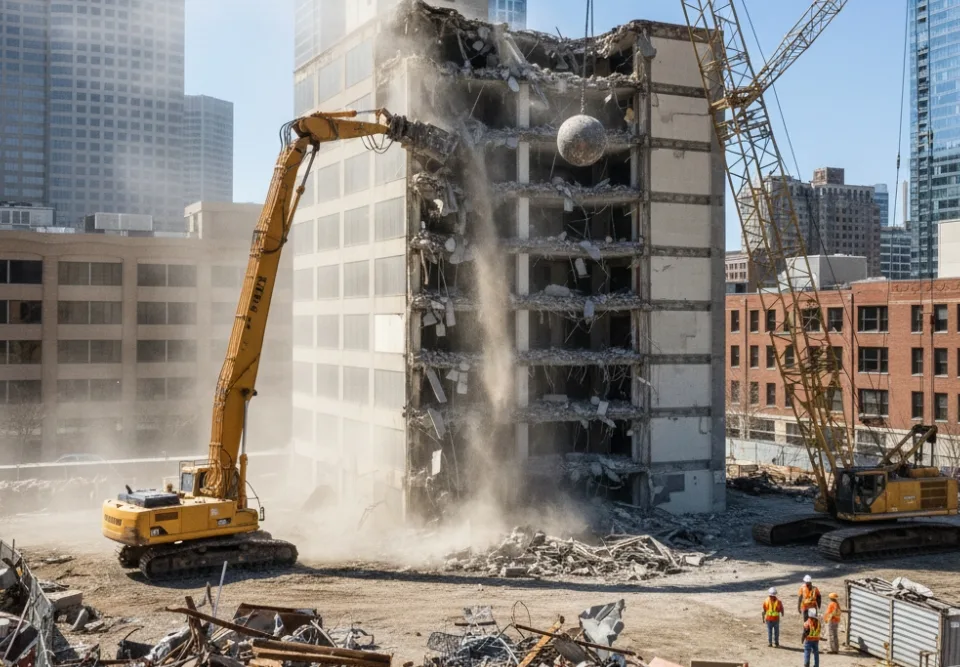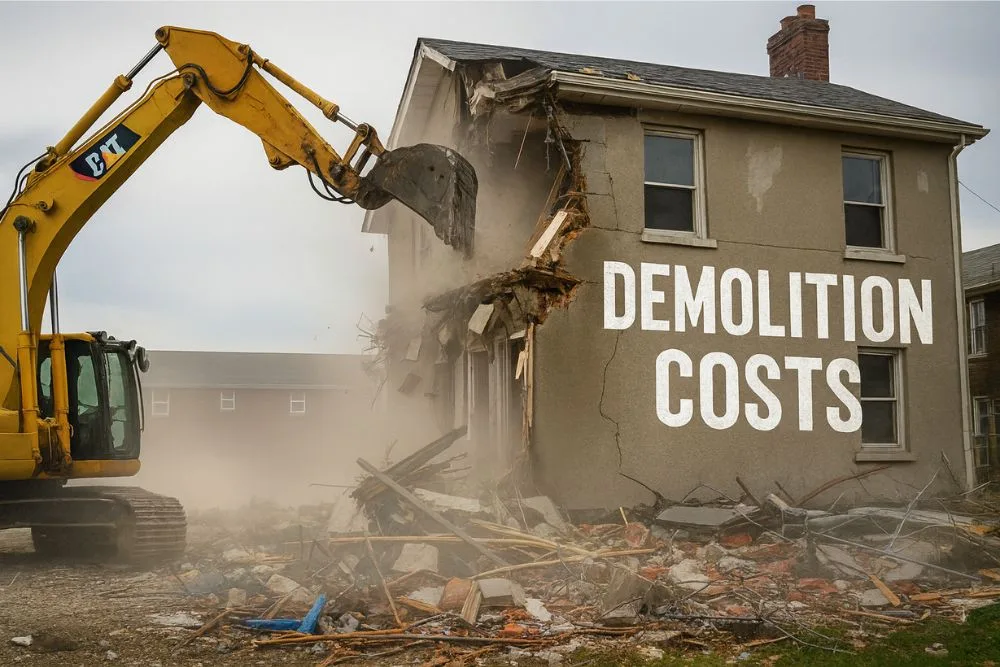

Demolition of commercial buildings is a complex process that involves a wide range of commercial building demolition challenges, including technical, logistical, and safety-related issues. These challenges vary based on factors such as building size, structural design, construction materials, location, and the surrounding environment. Due to this complexity, every project requires detailed planning, a strong understanding of building structures, and close coordination among engineers, contractors, and regulatory authorities. Successfully managing commercial building demolition challenges is essential not only for project safety and efficiency but also for supporting sustainable and well-planned urban development.
Demolition of commercial buildings involves a wide range of technical and logistical challenges that demand expert planning and execution. On the technical front, understanding the structural behavior of aging or compromised buildings is critical. Structural engineers must evaluate how a building will respond to different demolition methods through detailed analysis and modelling to ensure safe and controlled outcomes.
From a logistical standpoint, coordinating heavy machinery, securing permits, and managing waste disposal present major commercial building demolition challenges. Demolition sites often have limited access points—especially in dense urban environments—making equipment transportation and operation more difficult. In addition, meeting strict project timelines while maintaining regulatory compliance further increases the complexity of the demolition process.
Key logistical challenges include:
A thorough evaluation of building structure and materials forms the foundation of successful demolition of commercial buildings. This process begins with reviewing original construction methods and the types of materials used. Older commercial properties may contain hazardous substances such as asbestos or lead, which require specialist handling and controlled removal to maintain site safety and regulatory compliance.
Material analysis also involves identifying structural reinforcements and assessing the condition of load-bearing elements. Engineers often face unpredictable material behaviour, especially in buildings that have undergone multiple renovations over time. These assessments help determine whether implosive, mechanical, or deconstructive demolition methods are appropriate.
Key assessment areas include:
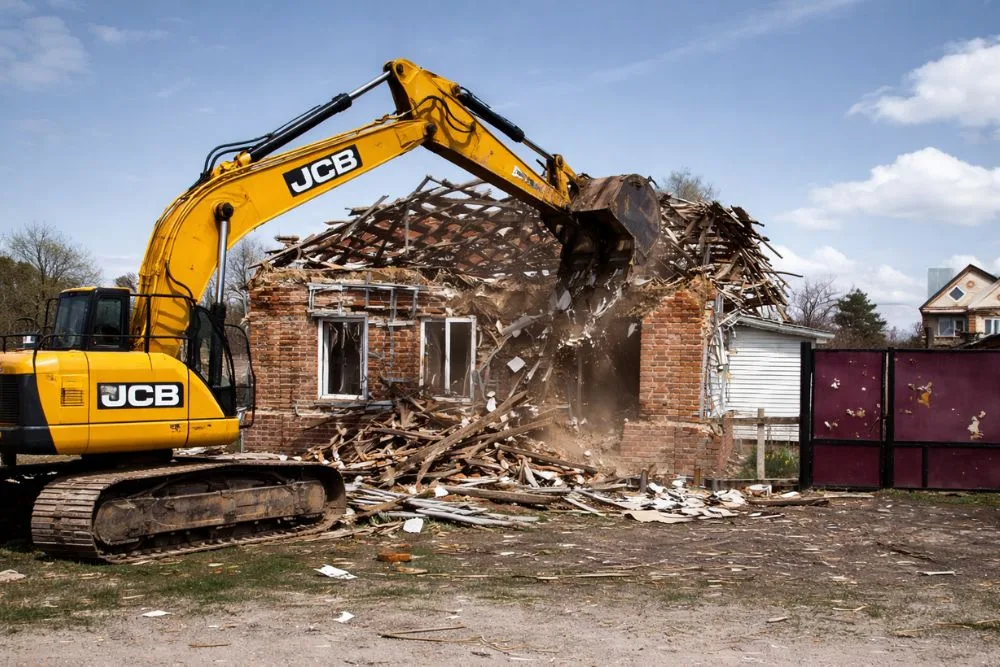
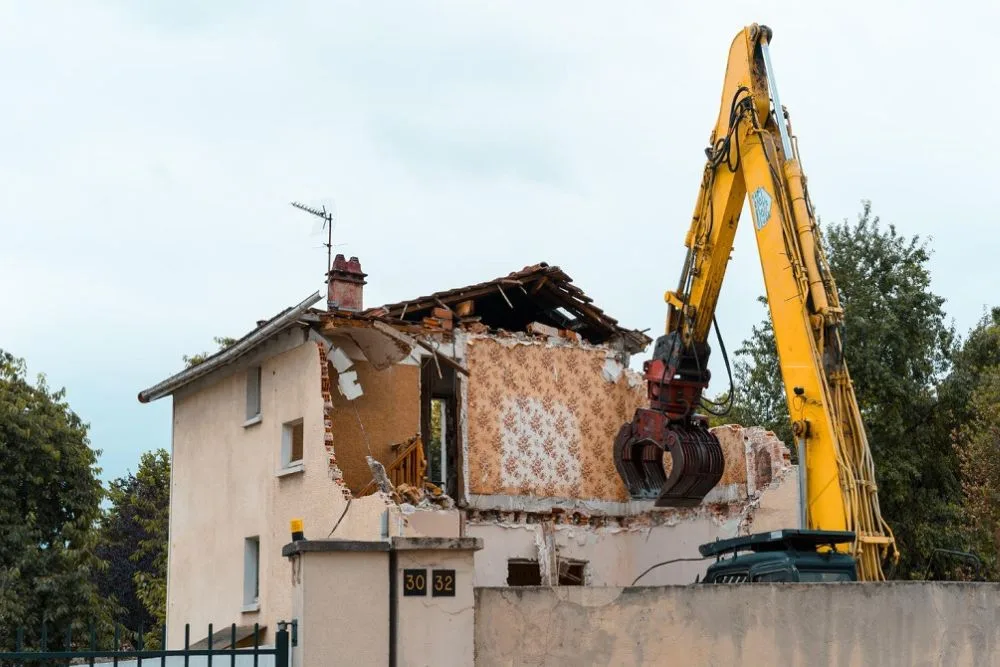
Choosing the right demolition method is a crucial step in the demolition of commercial buildings, as it directly influences safety, efficiency, and overall project success. Methods range from mechanical demolition, which uses heavy machinery such as excavators and cranes, to controlled techniques like implosion. The most suitable approach depends on factors including structural complexity, surrounding properties, site accessibility, and environmental considerations.
Mechanical demolition is typically used for standalone commercial structures where debris control is manageable, while implosion is often preferred in high-density urban locations because of its precision and reduced impact footprint. However, implosive techniques require detailed planning, advanced engineering, and strict safety controls to minimise risk.
Key demolition methods include:
Successful demolition of commercial buildings hinges on thorough planning and seamless coordination. It begins with detailed strategy sessions involving architects, structural engineers, and demolition experts. A comprehensive demolition plan outlines every phase of the project, from initial site assessment to debris removal.
Coordination is equally vital, demanding synergy among various teams, including demolition crews, waste management professionals, and local authorities. Effective communication and well-defined roles prevent misunderstandings and ensure each phase progresses smoothly. Additionally, contingency plans are developed to address potential obstacles or changes in project scope.
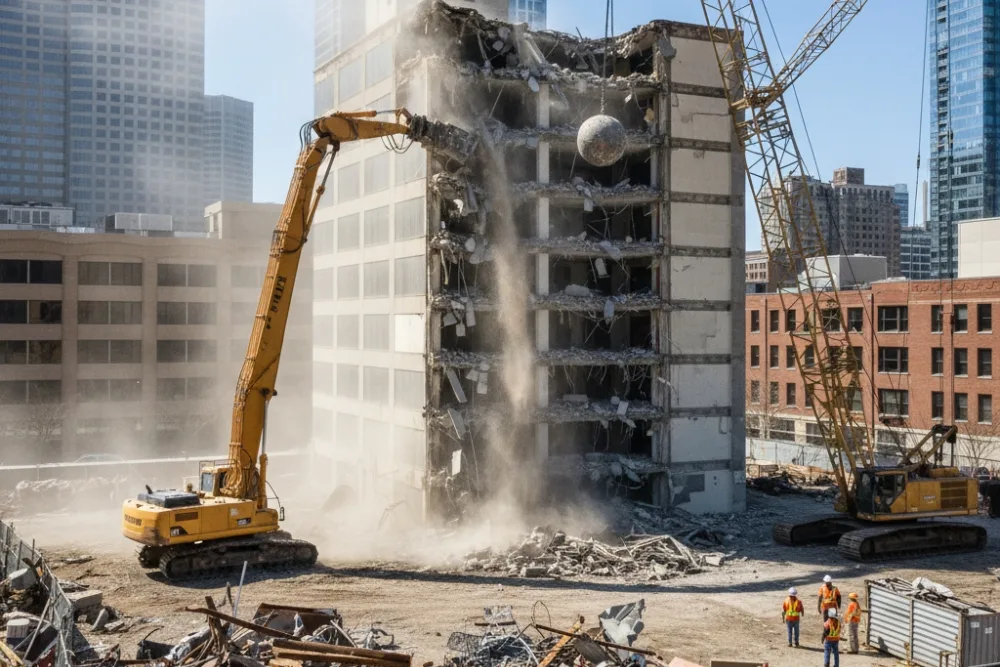
The demolition of commercial buildings in urban environments presents a distinct set of challenges due to high population density, restricted access, and close proximity to neighbouring structures. Protecting surrounding buildings while minimising disruption to businesses, residents, and traffic flow is a top priority, making detailed planning and site control essential.
Noise, dust, and debris management are critical factors in urban demolition projects. Demolition contractors must implement advanced dust suppression systems, vibration controls, and noise barriers to limit environmental impact. In addition, projects are often required to operate within strict timeframes and approved working hours to reduce inconvenience to the public.
Key urban demolition considerations include:
During the demolition of commercial buildings, unexpected structural risks can arise, potentially jeopardizing the safety and timeline of the project. These risks may come from undisclosed building alterations, hidden defects, or unexpected material failures. Hence, having a robust risk management framework is indispensable.
Preparedness involves conducting pre-demolition surveys and implementing monitoring systems to detect signs of structural distress early. Adaptive strategies enable the team to respond swiftly to emerging challenges, thereby minimising delays. By anticipating potential risks, stakeholders can deploy contingency plans to safeguard the integrity of the demolition process.
The demolition of commercial buildings presents a tapestry of challenges that demand expert handling and innovative solutions. Through thorough structural and material assessments, strategic planning, and effective coordination, these hurdles can be surmounted. Selecting a suitable demolition method tailored to specific project needs ensures the safety and efficiency of the operation.
Ultimately, the success of a demolition project lies in its preparation and the ability to adapt to unexpected challenges. By leveraging technology and cultivating a spirit of collaboration among stakeholders, the complex process of demolishing commercial buildings can be navigated with precision and confidence, ushering in new opportunities for urban renewal and development.



We accept all major credit cards