A house demolition project requires careful planning and a clear understanding of the expected timeline to ensure the process runs smoothly. You may have various reasons for considering demolition, such as making way for new constructions, addressing structural issues, or land redevelopment.
Whatever the motivation, knowing how long a typical house demolition takes can help you make informed decisions and manage expectations effectively. This article outlines the house demolition process, key factors affecting timelines, and what to expect before the project begins.
House demolition involves tearing down a residential structure, which could be partial or complete, depending on your goals. The process requires detailed planning, strict regulatory compliance, and execution by experienced demolition professionals. The primary aim of house demolition is to clear a site efficiently, safely, and within legislative frameworks while preparing it for potential redevelopment.
Understanding house demolition involves recognising different methods, such as mechanical demolition and deconstruction. Each method requires specific expertise and equipment, impacting the project’s timeline significantly. Additionally, demolition isn’t confined to older homes alone; sometimes, the removal of newer constructions becomes necessary for urban development or rebuilding initiatives. Thus, having a clear grasp of the type of demolition ideal for your project aids in setting realistic timeframes.
Several factors determine how long a house demolition takes, each playing a crucial role in shaping the project timeline. Recognizing these variables helps in setting expectations and planning logistics diligently.
Effective planning and preparation can significantly streamline the house demolition process. This stage involves a sequence of steps critical to ensuring a smooth transition from planning to execution. You first need to evaluate your property thoroughly, identifying any potential challenges, such as environmental hazards or structural complexities, that could affect the timeline.
You’ll need to coordinate with demolition experts to conduct a detailed site assessment and create a demolition plan tailored to your needs. This plan defines logistical requirements, equipment needs, workforce allocation, and establishes safety and waste management protocols.
Aside from technical preparations, notifying neighbours and communicating with local authorities is essential to avoid disruptions and legal complications. Allowing sufficient time for thorough planning and proactively addressing concerns helps mitigate risks and keep the demolition project on schedule.
Once planning is complete, on-site demolition begins, which is the most visible part of the project. The process starts with securing the site through fencing and appropriate signage before demolition work commences.
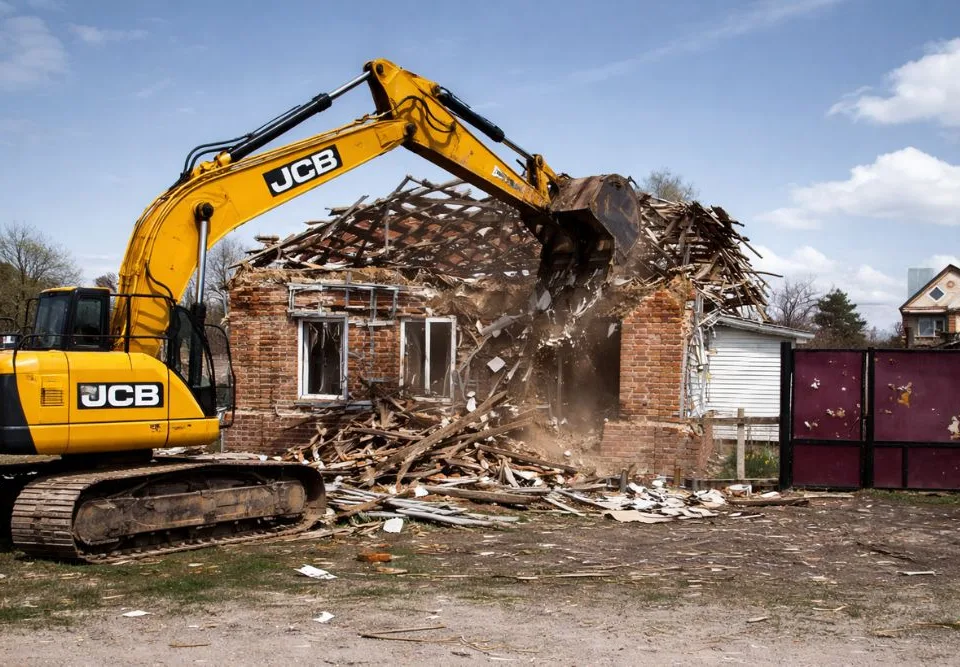
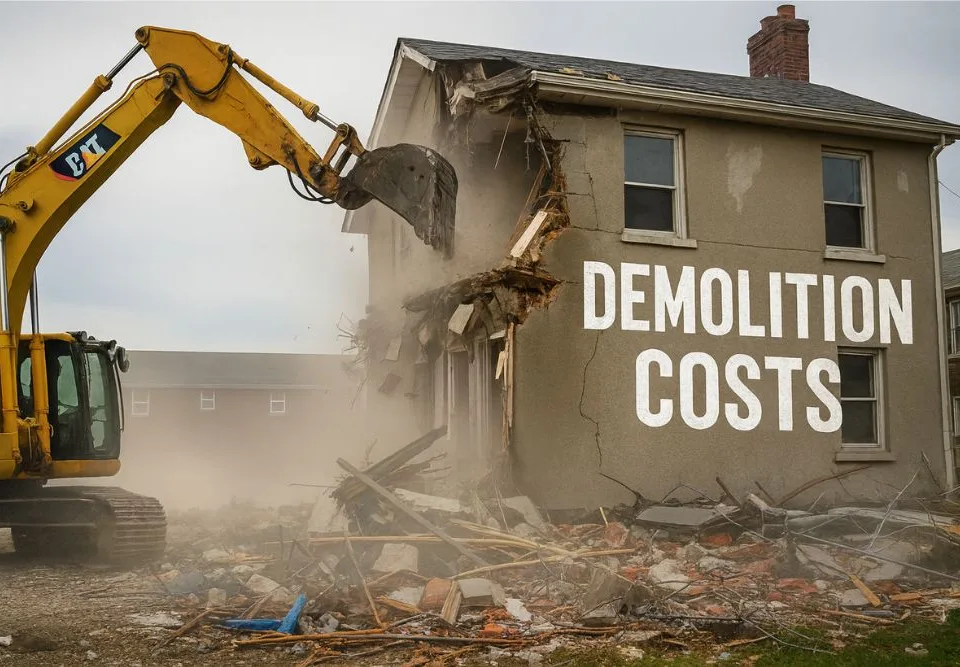
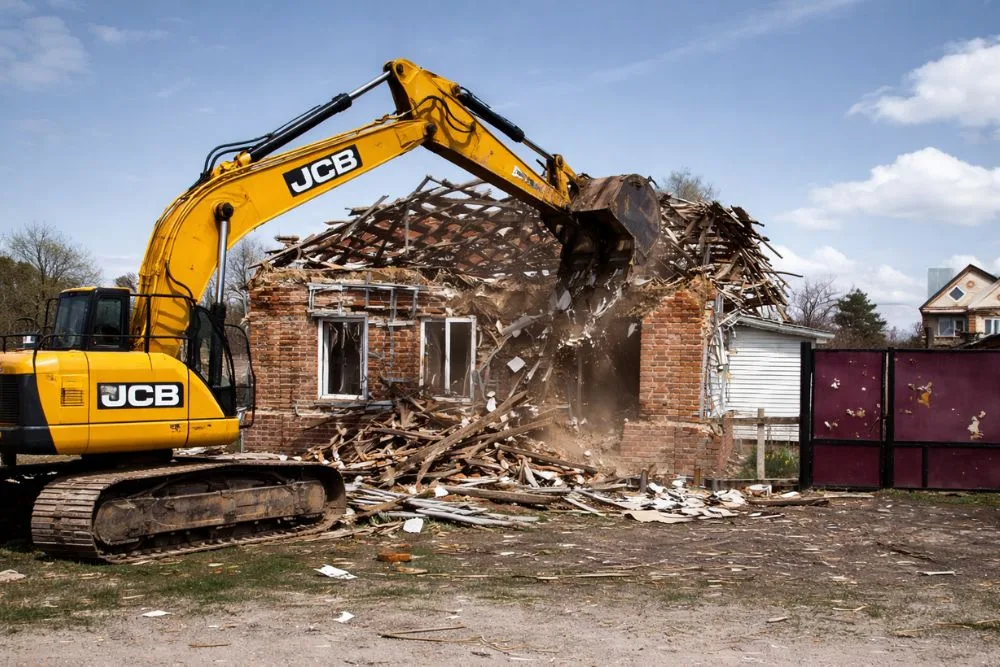
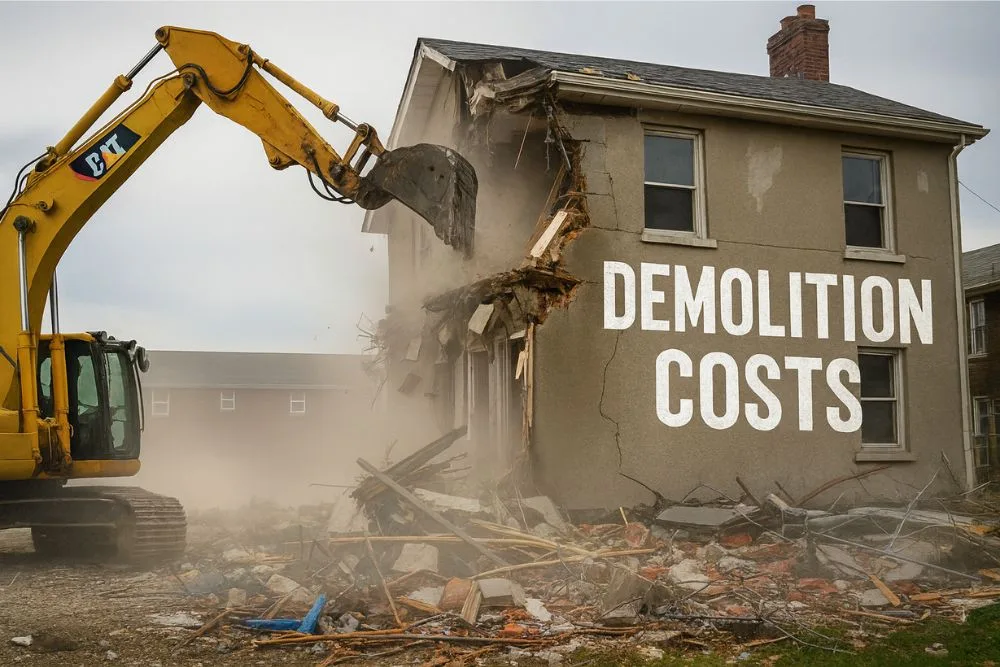
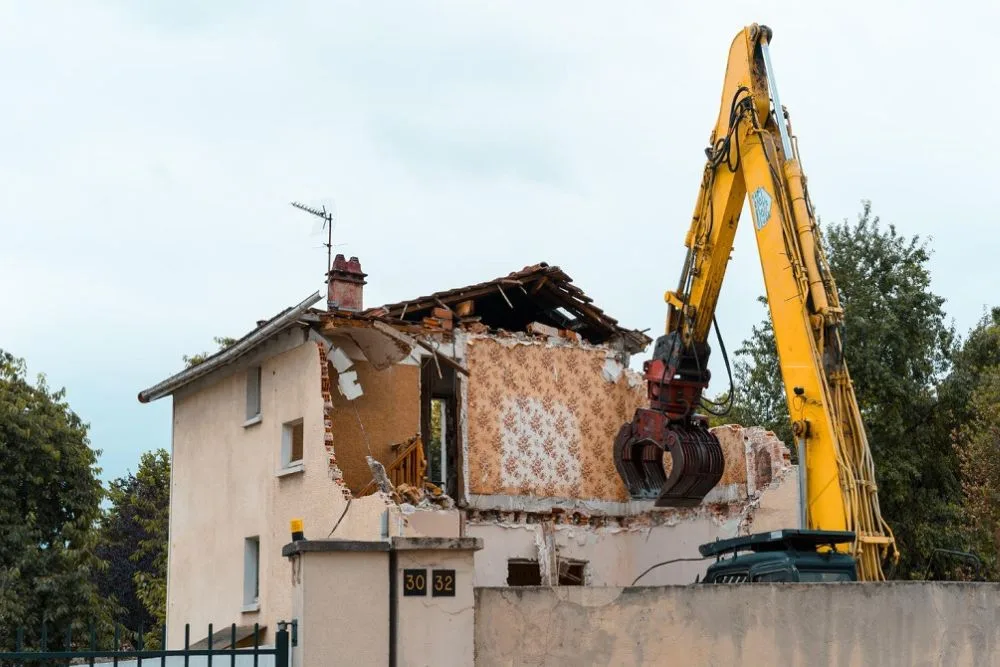
The chosen demolition method plays a pivotal role here. In mechanical demolition, heavy machinery such as excavators is used to dismantle the structure efficiently. This is often the quickest method, especially for larger structures. Deconstruction, however, involves manually taking apart the building to salvage materials, which is sustainable but more time-intensive.
Throughout this stage, continuous assessment by demolition supervisors ensures compliance with safety standards and project specifications. Waste management is a key on-site process, with debris sorted and removed promptly to maintain efficiency and site safety.
Demolition permits are a critical legal requirement before any demolition activity can commence. These permits ensure compliance with local zoning laws, safety regulations, and environmental standards. As you plan your demolition, applying for permits should be a priority, as the approval process can sometimes be drawn out.
Depending on your locality, you may need different types of permits covering overall demolition consent, waste disposal, and handling of specific hazardous materials. Engaging with local government bodies early in the planning stages is advisable to understand the full scope of necessary permits and any associated fees.
Having the correct permits helps prevent legal disputes and potential fines. It also reflects due diligence, ensuring that your demolition is carried out responsibly and with all necessary safety and environmental considerations observed.
The timeline for a house demolition can vary significantly, typically ranging from a few days to several weeks. Initial phases such as planning, permit approvals, and site preparation may take several weeks, particularly when environmental or structural assessments are required.
Once demolition commences, the timeframe depends on the method used. For instance, mechanical demolition can often be complete within a few days, while deconstruction may extend over two weeks or more, especially if material recovery is intensive. Complications such as weather conditions and unforeseen structural issues can also impact timelines.
Allowing adequate time for all phases from planning through to final site clean-up helps manage potential delays and minimises disruption to subsequent construction activities.
After the physical demolition of a house, attention turns to site rehabilitation, an essential step in preparing for future use. This phase is about clearing debris and restoring the land to a suitable condition for construction or landscaping.
Site rehabilitation involves grading the land to ensure even ground levels and addressing any environmental concerns, such as soil contamination or preservation of native vegetation. Depending on the plan for the land’s future use, additional infrastructure preparations like utility installation and access roads might be initiated during this stage.
A comprehensive approach to site rehabilitation not only supports the longevity and success of subsequent construction projects but also aligns with sustainable and environmentally conscious redevelopment practices.
A successful house demolition project requires collaboration with skilled demolition experts. Their knowledge guarantees efficient execution at every stage of the process, excellent risk management, and regulatory compliance.
Expert demolition contractors oversee the project from the first site evaluation and permit approvals to the demolition process and the last site cleanup. Their expertise enables them to foresee obstacles, implement tried-and-true industrial techniques, and uphold precise deadlines, all of which contribute to the seamless and effective advancement of projects.
Throughout the demolition process, safety is always the first priority. To reduce threats to nearby properties, employees, and the environment, skilled teams adhere to stringent safety regulations. You may be sure that the project will be finished safely, on time, and within budget by choosing a reliable demolition company.
In conclusion, house demolition is more than just taking down a building; it’s a meticulously planned procedure that calls for expert execution. A seamless transition from demolition to future development is ensured by working with skilled professionals and understanding demolition deadlines, laying the groundwork for successful results.



We accept all major credit cards