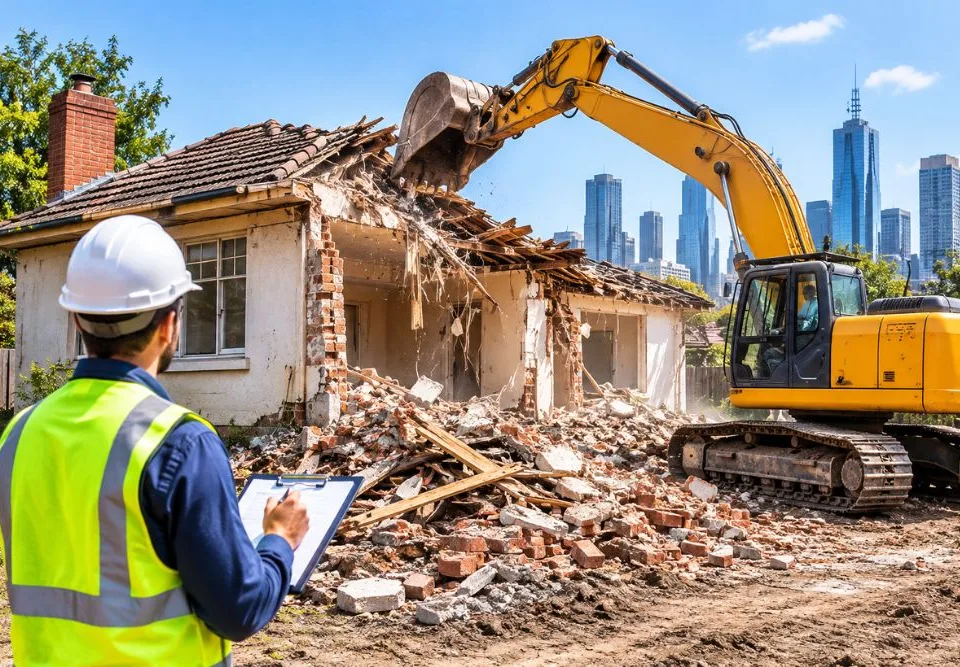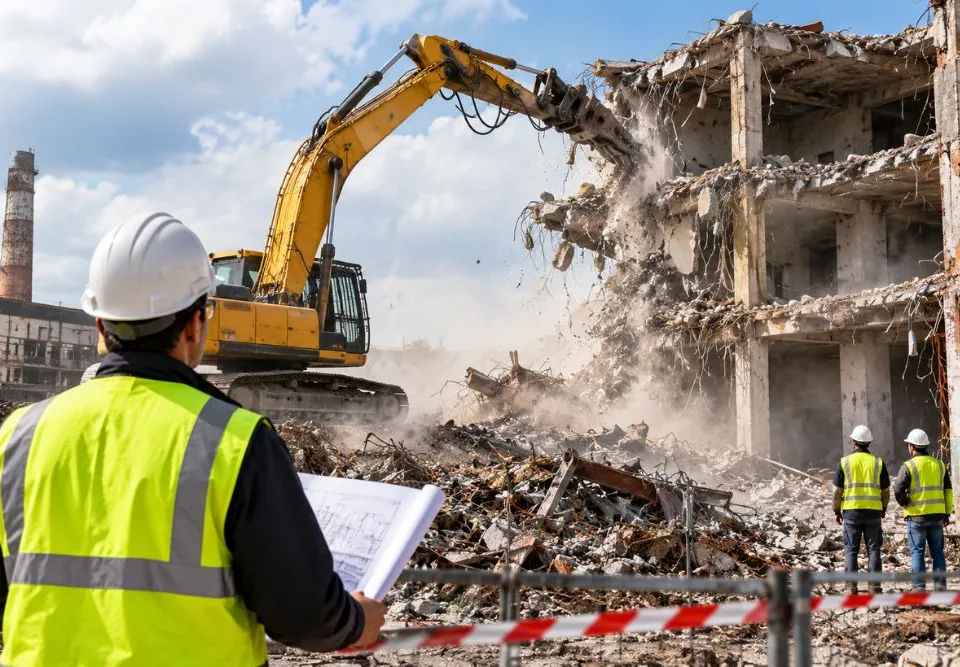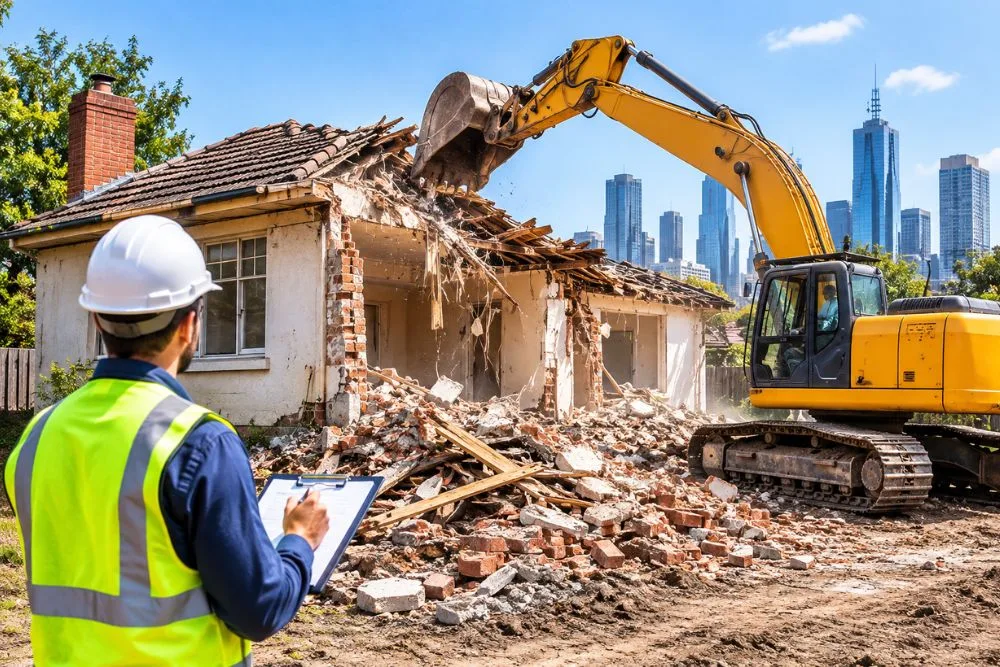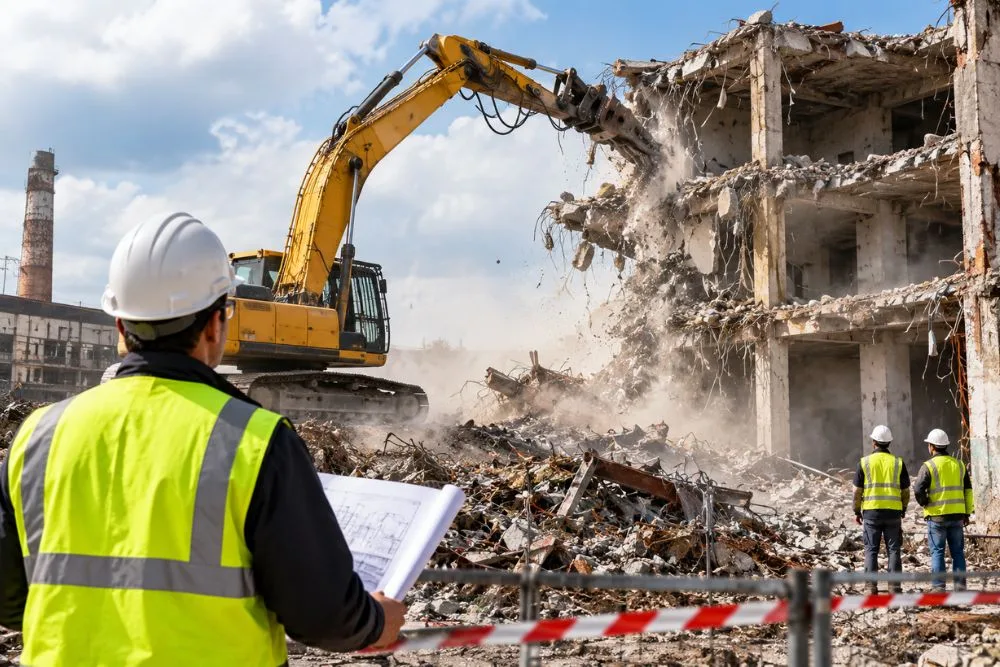
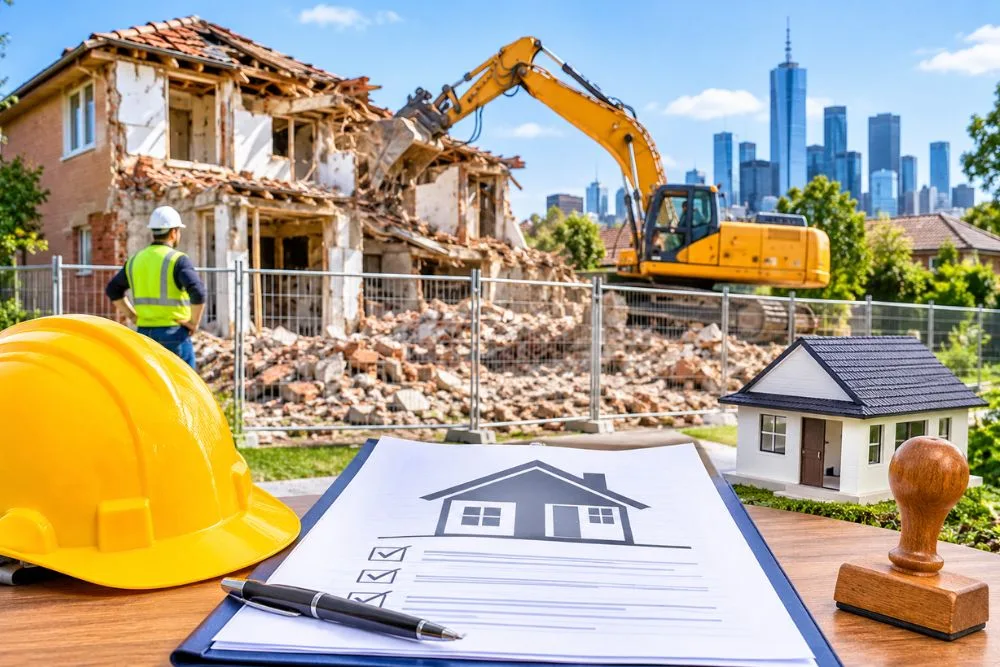
Before clearing a site for a new home or development in Melbourne, it is essential to understand the legal requirements surrounding residential demolition. House demolition requires careful planning, securing the appropriate permits, adhering to local council regulations, and meeting established safety standards. Whether you are a homeowner looking to rebuild or a developer planning a new project, understanding these requirements is essential to prevent costly delays, legal complications, and unexpected expenses.
The city of Melbourne, known for its diverse architectural landscape, follows strict regulations to manage the demolition of properties to preserve its rich cultural and historical heritage while ensuring public safety. Before commencing any demolition work, it’s essential to familiarise yourself with applicable legal requirements.
The Building Act 1993 and the Building Regulations 2018 serve as the primary legislative frameworks governing demolition activities in Victoria. These regulations outline building permit requirements and essential safety standards. The local councils in Melbourne have the authority to issue permits and oversee adherence to these laws.
One key aspect of Melbourne’s demolition laws is the emphasis on environmental protection. The city prioritises minimizing waste, recycling materials, and protecting the surrounding environment during the demolition process. Moreover, certain properties may be subject to heritage overlays and zoning restrictions. Consulting the local council is essential to identify any additional requirements or restrictions applicable to the property.
Securing the appropriate house demolition permits in Melbourne is a mandatory step in the demolition process in Melbourne. Understanding which permits are required can help prevent project delays and unnecessary legal complications.
Demolition requirements may vary from council to council, making it essential to check with your local council for specific details. Additional permits or safety measures may also be necessary if the demolition affects neighbours or involves hazardous materials.
Obtaining residential demolition approval in Melbourne involves several stages, from preparing the necessary documentation to meeting regulatory requirements. Securing residential demolition approval in Melbourne involves several steps and thorough documentation.
Property owners need to submit detailed demolition plans that outline the scope, materials involved, and safety measures. This includes a site plan, waste management procedures, and noise and dust control measures. Approval typically requires an inspection by local authorities to ensure that all regulations and safety protocols are properly followed.
Open communication with the local council can help simplify the approval process. Hiring a professional demolition contractor familiar with Melbourne’s policies can also streamline the process by assisting with the documentation process, obtaining necessary approvals, and ensuring adherence to relevant requirements.
Regulatory compliance is a fundamental aspect of building demolition and involves adhering to a set of guidelines and standards aimed at ensuring public safety and environmental protection.
Before demolition, you must conduct a complete assessment of the building to identify and manage hazardous materials like Asbestos, lead paint, and other hazardous substances in accordance with Victorian regulations to prevent environmental contamination and health risks.
An environmental management plan should outline effective waste management practices, including material recycling, responsible debris disposal, and pollution control measures. A safety management plan addresses workplace safety protocols, personal protective equipment, risk mitigation strategies, and emergency response procedures.
Melbourne’s local council regulations also emphasise minimising the impact of demolition activities on neighbouring properties and public infrastructure, including roads and footpaths. An impact assessment might be required, depending on the property’s location and scope of demolition work.
Obtaining a building permit for demolition in Melbourne involves a series of steps.
Step 1: Property Evaluation
Begin with a thorough assessment of the property to understand its structural and environmental conditions. Verify whether it sits within a heritage overlay or involves protected buildings.
Step 2: Engage a Registered Building Surveyor
A registered building surveyor is required to review the proposed plans and ensure they meet all stipulated regulations before submitting them to the council.
Step 3: Prepare and Submit Documentation
Documentation should include detailed plans, engineer reports if required, and environmental and safety measures. Pay close attention to each form’s requirements to prevent delays or rejection.
Step 4: Await Council Approval
The local council will review your submission, which may involve questions or requests for additional information. Timely and accurate responses can speed up the approval process.
The demolition approval process can be simplified by understanding local council requirements and hiring an experienced demolition contractor familiar with Melbourne’s regulations. Begin preparations and permit applications in advance to resolve the issues that may arise. Maintain open and clear communication with contractors and council representatives, and respond promptly to queries to avoid unnecessary delays.
Informing neighbouring property owners about demolition schedules can also help address concerns regarding noise, disruption, and safety. Careful planning and adherence to local regulations can ensure a safe, efficient, and legally compliant demolition process.
Understanding Melbourne’s house demolition laws, obtaining the required permits, and complying with local council requirements are essential for a successful demolition project. From conducting property assessments and preparing documentation to managing hazardous materials and implementing environmental and safety measures, each stage requires careful attention. Hiring an experienced demolition contractor can simplify the approval process, reduce safety risks, and prevent unnecessary delays. Taking the time to plan and meet legal and safety requirements can make demolition less stressful and pave the way for future construction.
Yes, homeowners must obtain a building permit from a registered building surveyor before demolishing a house in Melbourne. Depending on the property’s location, heritage status, and planning restrictions, additional permits and council approvals may also be required.
A building permit for demolition is generally mandatory, while a planning permit or heritage approval may be required depending on the property. To understand the specific demolition permit requirements in Melbourne, property owners should consult their local council and a registered building surveyor before starting demolition.
Before demolishing a house in Melbourne, property owners must look for the presence of any hazardous materials, such as asbestos and lead-based paints, and safely manage in accordance with Victorian regulations. Appropriate measures for waste disposal, dust and noise control, worker safety, and the protection of neighbouring properties must also be implemented.
Property owners can avoid delays by applying for permits in advance, understanding local council requirements, and providing accurate and complete documentation. Hiring an experienced demolition contractor and promptly addressing any queries can also streamline the approval process.
Yes, an experienced demolition contractor can assist with preparing documentation, coordinating with building surveyors, and navigating the approval process. However, homeowners are responsible for ensuring that all necessary permits and approvals are obtained before starting demolition.



We accept all major credit cards