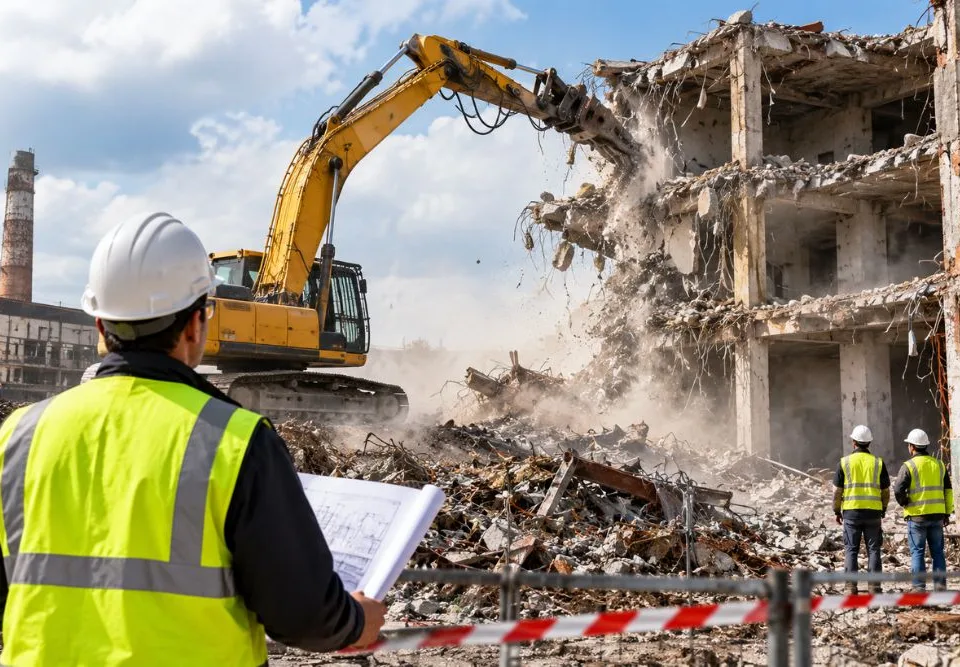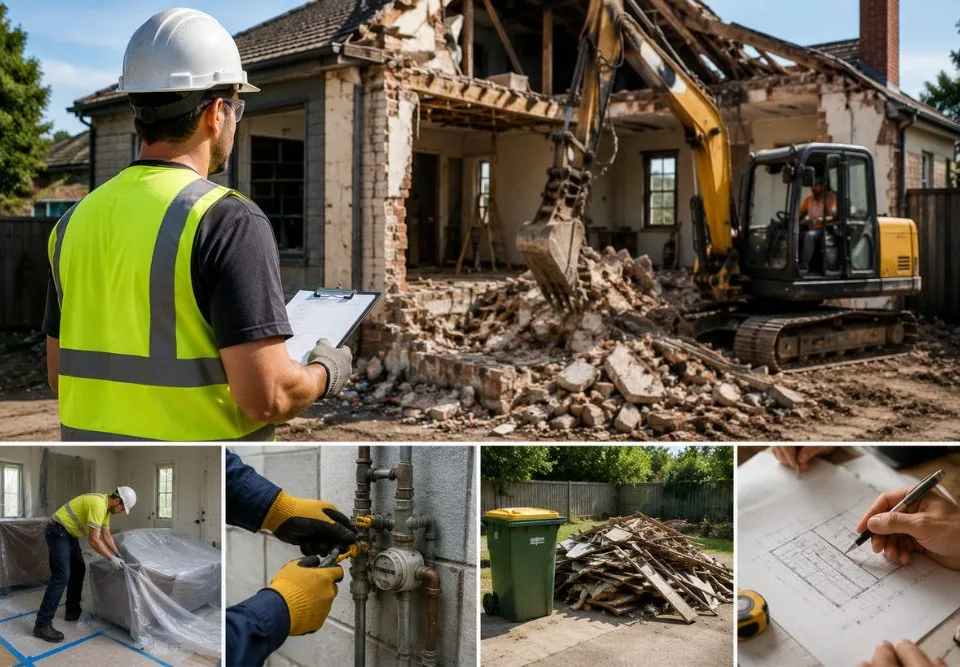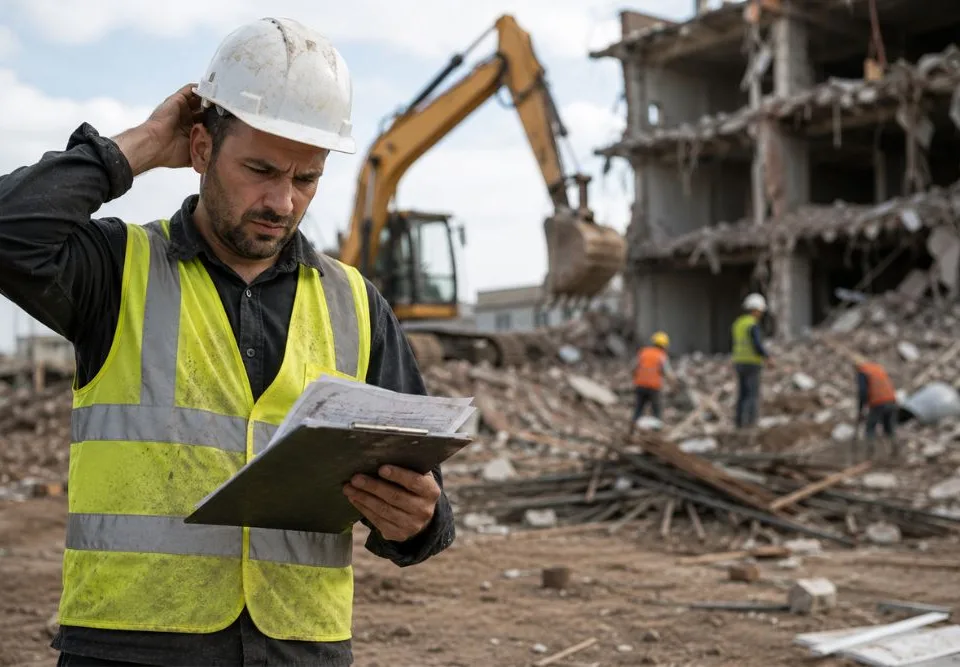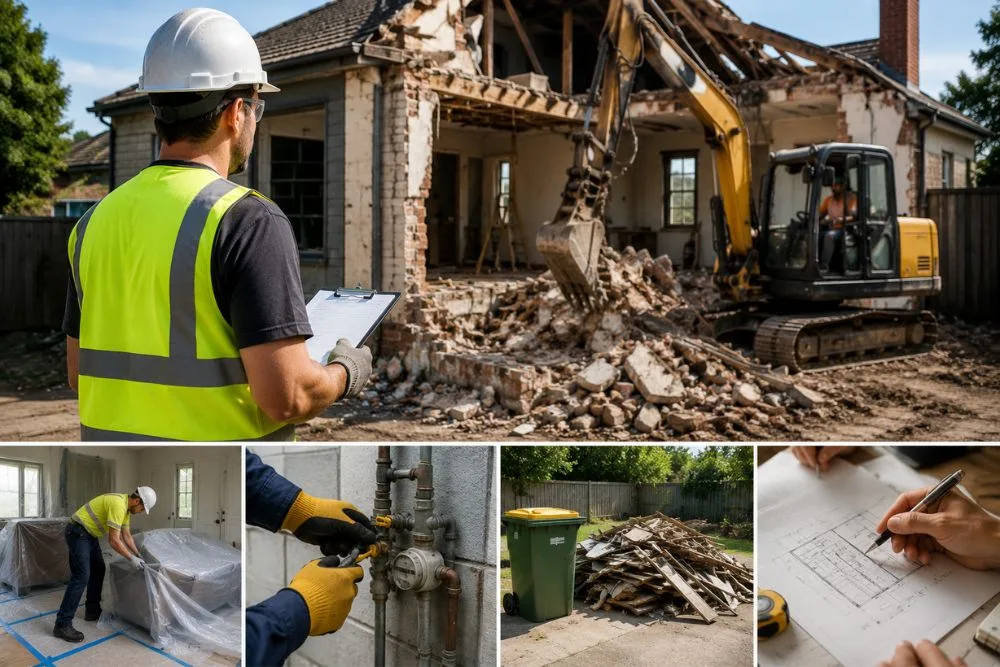
Demolishing your home is not just about wielding a sledgehammer and knocking down walls. The process involves numerous steps that require careful consideration and meticulous planning. It’s easy to underestimate the complexity of pre-demolition tasks, leading to common pitfalls that can cause delays, legal troubles, and financial strain. As you prepare for a home teardown, understanding these potential mistakes and how to avoid them can save you both time and money, ensuring a smooth and successful demolition process. Whether you’re preparing for a new build or removing an old structure, proper preparation is essential for a safe and efficient demolition.
Embarking on a demolition project without fully comprehending the challenges involved is a common mistake many homeowners make. This lack of understanding can lead to an array of errors, from underestimating costs to mismanaging hazardous materials. Calling in a professional at the last minute won’t always solve the problems, especially if the contractual obligations are not well understood. The critical misstep of rushing into the demolition process without proper documentation or overlooking essential safety protocols can result in legal implications and potential hazards. A clear plan from the outset can help keep the demolition project safe, compliant and on track.
Planning is the foundation of any successful demolition project. Without a clear plan, you risk running into unexpected obstacles that could have easily been avoided. Planning allows you to map out each phase of the project, ensuring that every step is streamlined and efficient. Begin by clearly defining the scope of the demolition. What are the specific goals you hope to achieve? Whether it’s partial removal or complete demolition, understanding your objectives will guide the entire process.
Next, consider the timeline. Establish a realistic schedule that accounts for potential delays and interruptions. You should also factor in seasonal weather conditions, which might impede progress. A rushed timeline can lead to cutting corners, which often results in costly mistakes. Furthermore, collaborate with all parties involved, including contractors, neighbors, and local authorities, to ensure that everyone is on the same page regarding the project’s objectives and timelines. Effective communication from the outset minimizes misunderstandings and sets clear expectations.
One of the biggest mistakes you can make before demolishing a home is failing to secure the necessary legal permits and approvals. Demolition is subject to a multitude of regulations that vary by location, so familiarize yourself with local laws. Without proper compliance, you risk legal battles, fines, and delays. Check with your local council or relevant authority to confirm which demolition approvals or permits are required and how to apply.
Moreover, certain neighborhoods may fall under historical preservation areas where specific rules dictate what can and cannot be demolished. Failing to comply with these ordinances could result in hefty penalties. Being proactive in handling legalities not only ensures the project stays within legal boundaries but also aids in avoiding unnecessary interruptions during the demolition process.
Before any demolition work begins, it is crucial to identify and manage hazardous materials within the existing structure. Homes, especially older ones, can contain harmful substances such as asbestos, lead-based paint, and mold. These materials pose significant health risks if not handled properly, potentially delaying the project and increasing costs.
Engage an environmental assessment professional to conduct a thorough inspection of your building. Proper identification and mitigation of these hazards before demolition protects the health of everyone involved and avoids potential legal liabilities.
Another significant aspect frequently overlooked in home demolitions is the budget. Miscalculating expenses can result in financial strain, causing the project to stall or even halt entirely. Start with a detailed cost analysis, including not only the demolition work itself but also associated costs such as permits, hazardous material removal, and waste management.
Avoid underestimating the cost of labor and equipment, as unexpected expenses in these areas can quickly escalate. Also, set aside a contingency fund to tackle unforeseen expenses, typically 10-20% of the overall budget, to cover any emergent costs without derailing the project.
Ensure thorough discussions with contractors and demand clear, itemized estimates to avoid miscommunication regarding the financial aspects. A detailed budget can help you understand the expected costs and reduce the risk of unexpected financial pressure.
Hiring a competent demolition contractor is a critical component of a successful demolition project. Common mistakes include selecting based solely on the price or failing to verify credentials. Ensure that your demolition team holds the necessary certifications and experience for your specific project needs. A reliable contractor should demonstrate a strong safety record, professional approach and relevant project experience.
Request references and visit some of their past projects to assess their work quality. A consultation meeting with multiple contractors will allow you to gauge their knowledge on your specific needs. During your assessments, prioritize transparent communication and the contractor’s willingness to work within your established timeline and budget. Don’t rush this process; a careful selection can save money and headaches down the road.
Waste management is often an afterthought in demolition projects, yet, it plays a significant role in maintaining project efficiency. Mismanaging debris can lead to environmental issues and potential fines. Consider recycling options where possible, as reusing materials not only benefits the environment but can also reduce disposal costs.
Work with your demolition team to develop a waste management plan that outlines how materials will be sorted, handled, and disposed of. Aim to recycle materials like wood, metal, and concrete, diverting them from landfill entry. Certifications and recognitions for eco-friendly practices can be a badge of honor for your project.
Proper waste management planning also ensures compliance with local regulations, allowing for smoother project execution and promoting sustainable construction practices.
Demolishing a home involves more than just taking down walls; it requires a strategic approach to avoid common pre-demolition planning errors. By understanding and addressing areas such as planning, legal requirements, hazardous materials, budgeting, professional hiring, and waste management, you set yourself up for a successful project while avoiding common pitfalls. Investing time and resources into these fronts will pay dividends, resulting in a hassle-free demolition and paving the way for your future building endeavors. Prepare thoroughly, act prudently, and consult with experts where needed to ensure your demolition project is executed flawlessly.
Yes. Demolition requirements vary by state, territory and local council. Check with your local council or relevant authority to determine which permits and approvals are required.
Yes. Older homes may contain asbestos and other hazardous materials. A suitable inspection should be arranged before demolition so hazardous materials can be identified and safely managed.
Consider the demolition contractor’s fees, permits and approvals, hazardous material removal, utility-related work, equipment, waste disposal and any unexpected costs.
Look for a contractor with the appropriate licences, insurance, experience and safety practices for your project. Compare quotes and check relevant references before making a decision.
Demolition waste can include materials such as concrete, timber, metal and other building materials. Where practical, materials can be separated for recycling or reuse, with remaining waste disposed of according to local requirements.



We accept all major credit cards