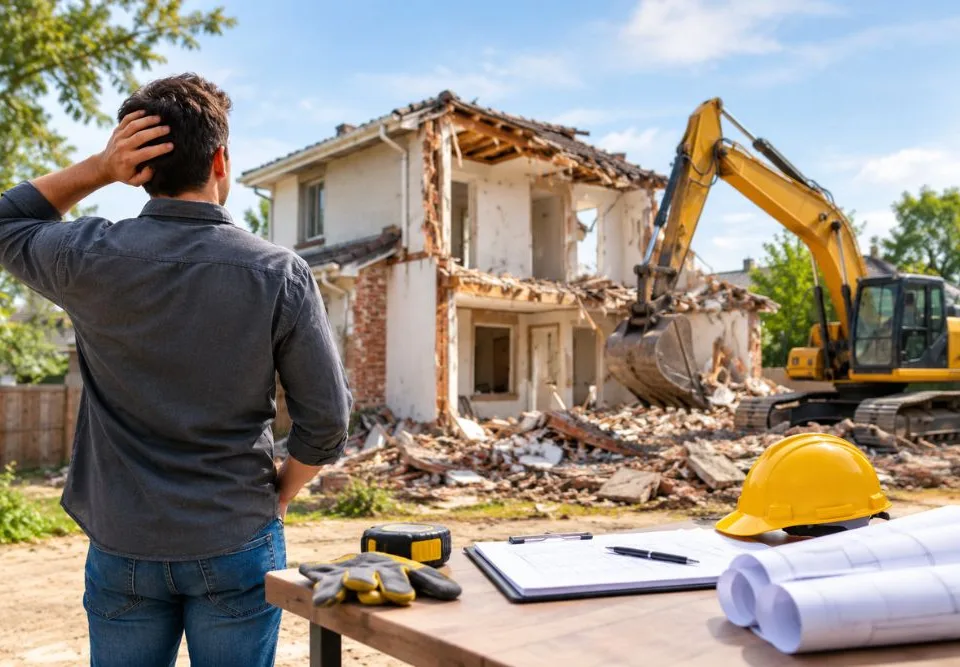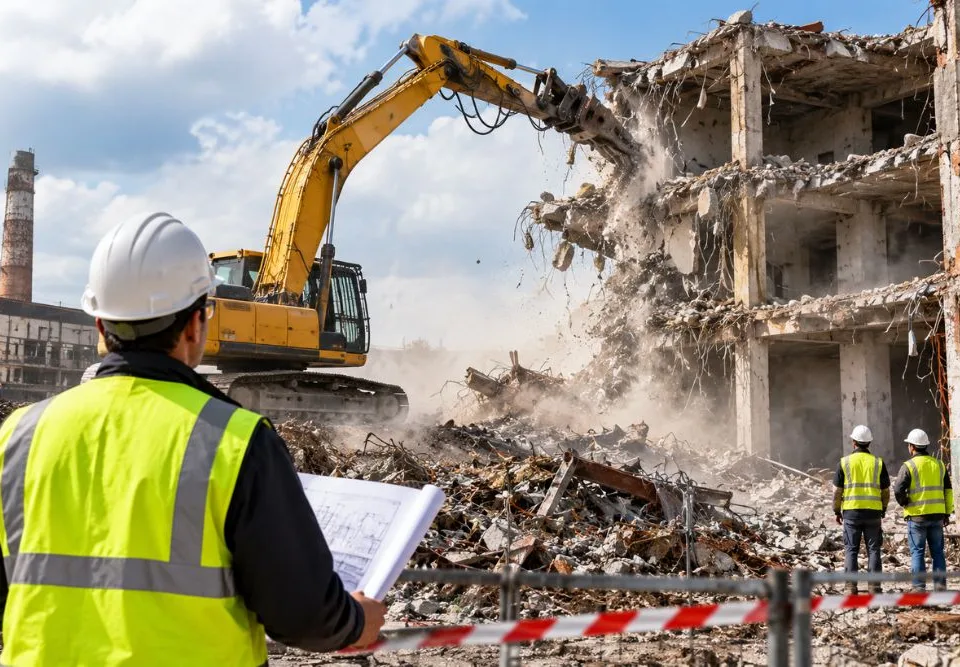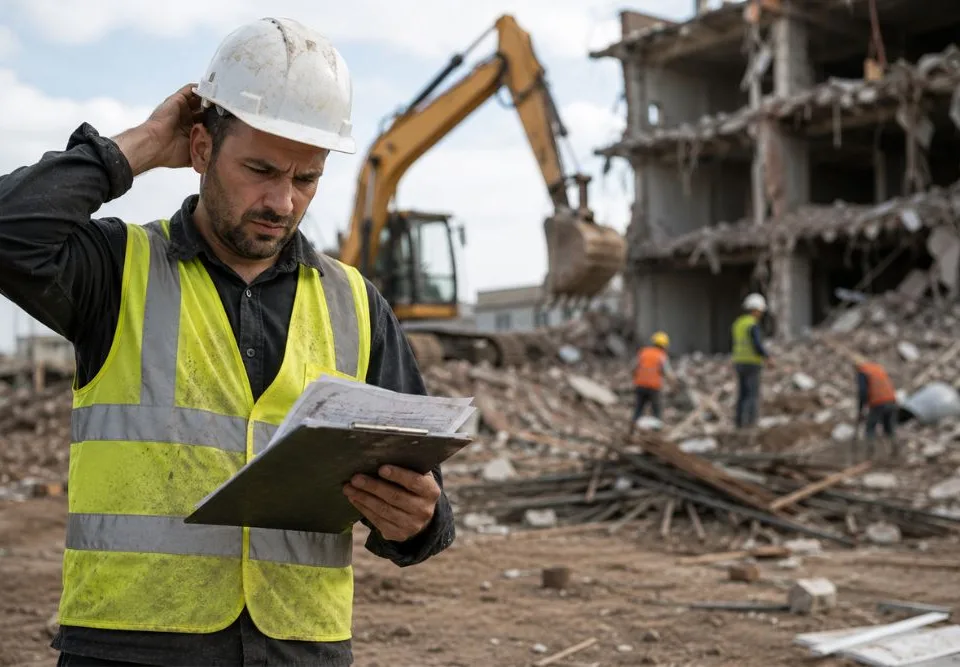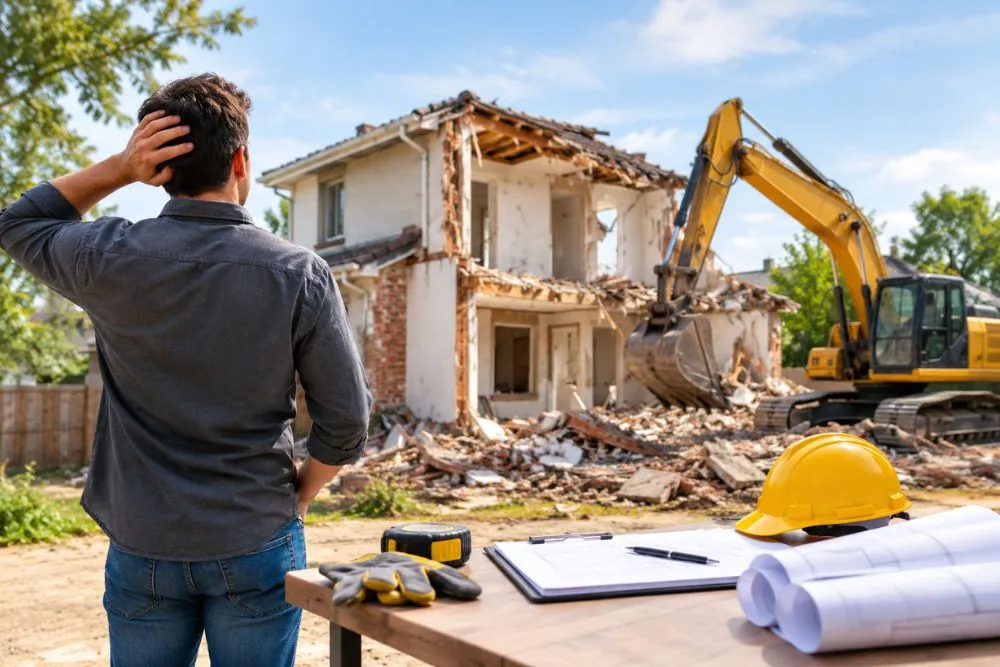
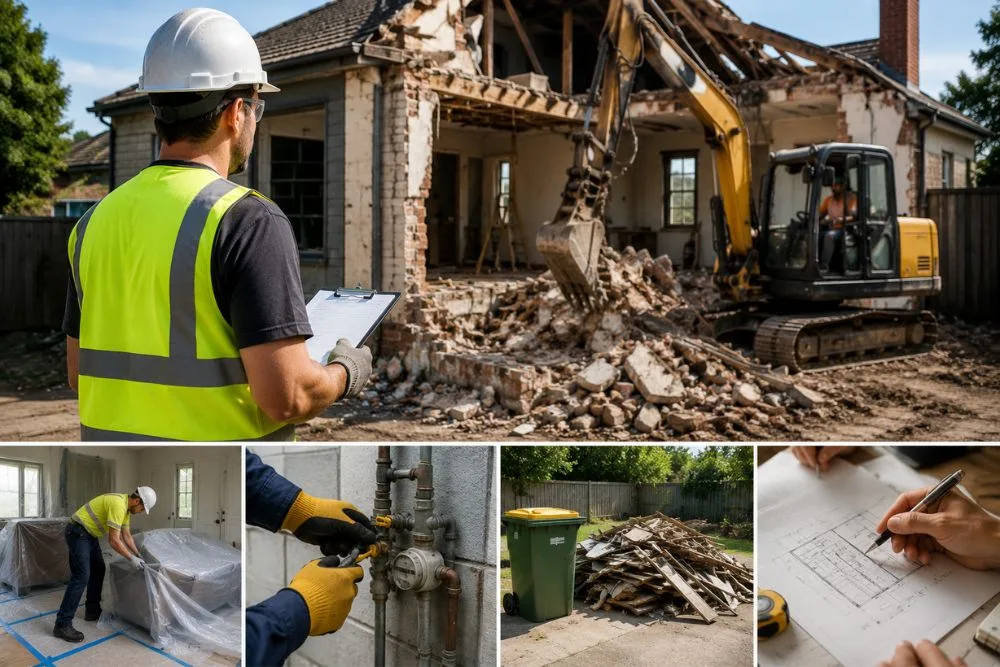
When planning partial demolition Melbourne, proper property preparation can help ensure the project is completed safely and efficiently. Whether you are planning to remove a section of your house to add new features or need to restructure a particular area, partial demolition is a complex process that requires careful planning and execution. Engaging professional partial demolition services can significantly ease the burden. However, understanding the essential steps involved, from securing necessary permits to implementing safety measures, helps ensure that the process is smooth and efficient. In this comprehensive guide, you’ll learn how to prepare your property for a partial house demolition project.
Before diving into the preparation process, it’s crucial to understand what partial demolition entails. Unlike full-scale demolition, where entire structures are brought down, partial demolition involves carefully removing specific parts of a building. This could mean tearing down a wall, removing a floor, or dismantling a section of the roof.
Partial demolition Melbourne is commonly used for various purposes, including renovating a home, expanding living space, or improving structural integrity. The key to a successful partial demolition is understanding that it requires precision and expertise to ensure the remaining structure stays intact. Engaging specialised partial demolition services offers the advantage of having trained professionals who understand the complexities involved in safely removing parts of a structure while preserving the rest.
Clearly defining your project’s scope and requirements is essential. It helps you communicate effectively with your chosen service provider and ensures that the project’s goals align with your expectations.
Your first task in a partial demolition project is to assess the scope of work. This involves determining which parts of your property need to be demolished and identifying any constraints or challenges that may arise. An effective assessment requires collaboration with an experienced demolition contractor who can guide you through the planning phase.
Key considerations include:
Assessing these elements carefully helps create a clear demolition plan and minimise potential setbacks.
In Melbourne, obtaining the necessary permits and adhering to local regulations is crucial for any demolition work. Partial demolition projects are no exception, and the requirements may vary depending on your local council area and the nature of the work.
To get started:
Securing the appropriate permits can be a time-consuming process, so it is advisable to start early. An experienced demolition contractor can assist in navigating these administrative steps efficiently, drawing on their expertise and familiarity with local regulations.
Once the paperwork is in order, the next step is preparing your property for demolition. This involves making practical arrangements and preparing the site to ensure the demolition work can proceed safely and efficiently.
Consider the following:
Thorough preparation helps the demolition team carry out their work efficiently while minimising unexpected delays.
Safety is of utmost importance during any demolition project. In partial demolition projects, the challenge is heightened by the need to protect the sections of the building that will remain.
To ensure safety:
Maintaining a strong safety culture can help prevent accidents and create a safer environment for both workers and those residing on the property.
When undertaking a partial demolition, it is essential to ensure that surrounding structures remain protected. Nearby buildings could be adversely affected by vibrations, debris, or unintended impacts during demolition activities.
Here are some effective strategies for safeguarding adjacent structures:
Taking a proactive approach to protecting nearby structures can significantly reduce risks and potential legal liabilities associated with property damage claims.
Reducing environmental impact is an important consideration in modern construction and demolition projects. Partial demolition projects can also be carried out more sustainably by following practices that help protect the environment.
Consider the following steps:
Incorporating these practices into your demolition plan can help reduce environmental impact and support a more responsible approach to the project.
By understanding and implementing these practices, you can pave the way for a successful and well-managed partial demolition project.
In conclusion, preparing for a partial house demolition involves a combination of strategic planning, obtaining the necessary permits, and ensuring appropriate safety and environmental measures are in place. By working with specialised partial demolition services in Melbourne, you can achieve your project’s goals efficiently while minimising risks and adhering to local regulations. Whether you’re expanding, renovating, or restructuring, following these guidelines can help ensure that your project proceeds smoothly and successfully.
Partial demolition involves removing specific sections of a building while keeping the remaining structure intact. It is commonly used for renovations, extensions, and property upgrades.
Permit requirements depend on the scope of the demolition and local council regulations. It is important to check the applicable requirements before starting any work.
Clear furniture and personal belongings from the demolition area, secure the work zone, identify affected utilities, and ensure the site is accessible to the demolition team.
Professional demolition contractors may use structural assessments, vibration control measures, barriers, and careful debris management to minimise the risk of damage to surrounding structures.
Professional partial demolition services have the expertise and equipment required to carry out the work safely while protecting the sections of the property that need to remain intact.



We accept all major credit cards