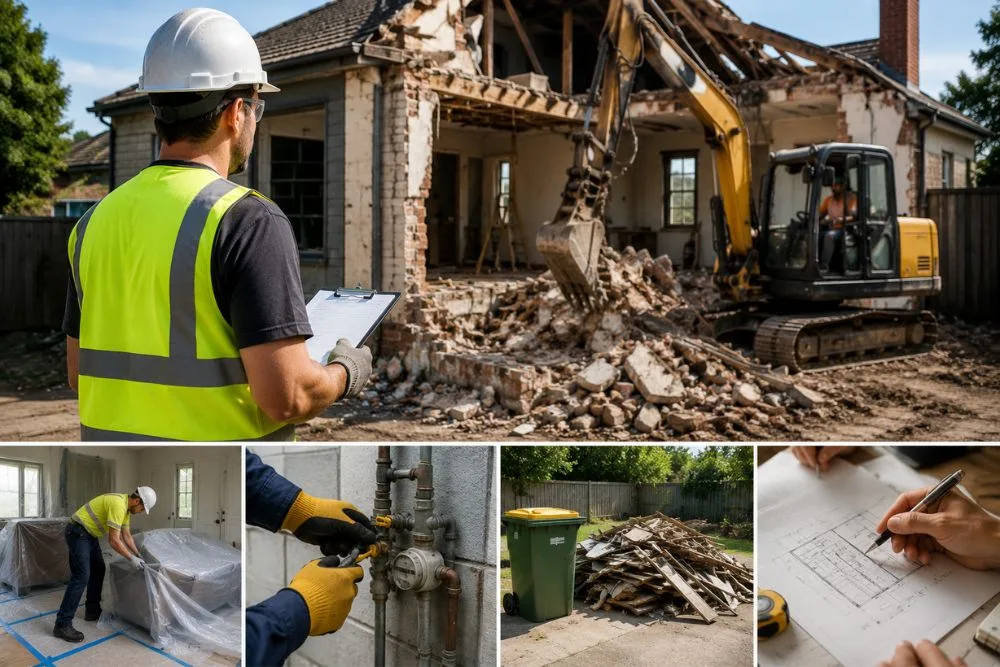
In the realm of construction and development, industrial demolition stands as one of the most complex and challenging tasks. Industrial demolition involves far more than simply tearing down structures. It requires meticulous planning, execution, and compliance with a myriad of regulations to ensure safety, environmental protection, and legal adherence. From understanding intricate demolition safety protocols to managing waste and assessing environmental impacts, every step must be carefully considered. This journey through industrial site deconstruction is fraught with potential pitfalls, which you must navigate with precision and expertise.
Industrial demolition is inherently complex due to the colossal scale and variety of materials involved. Unlike residential demolition, which typically involves straightforward structures, industrial deconstruction often includes factories, plants, and warehouses. These sites are replete with hazardous materials such as asbestos, lead, and other toxic elements.
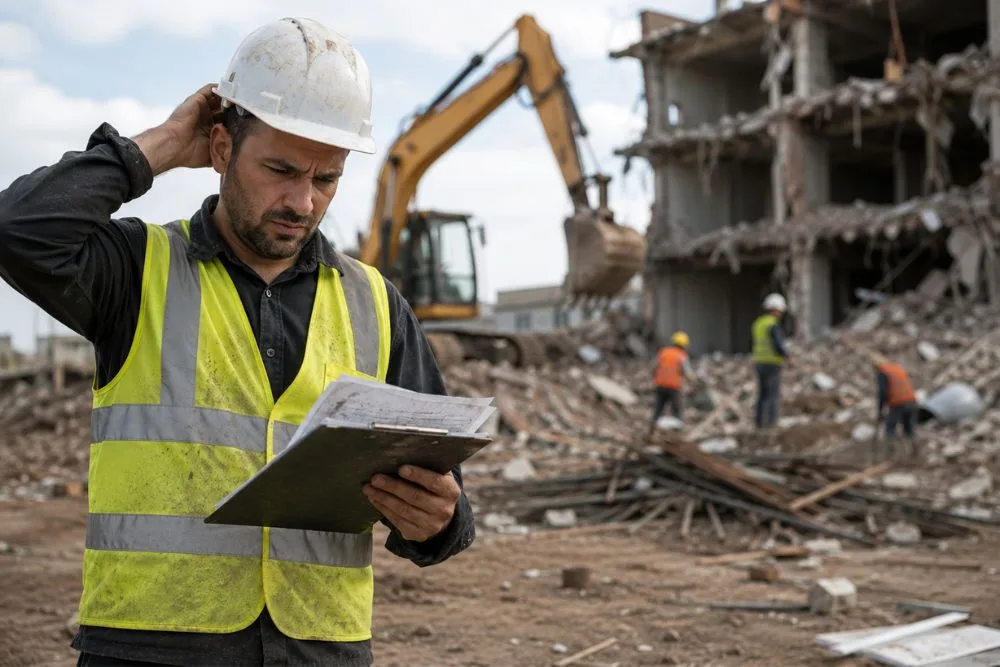
Before any physical work begins, thorough planning and assessment are essential. You need to engage in pre-demolition studies, examining structural integrity and identifying potential hazards. This involves working closely with structural engineers and demolition experts to ensure that the planned methods will not jeopardise the integrity of neighbouring structures.
Industrial demolition can also affect nearby properties, local communities, and the surrounding environment, making effective planning, environmental controls, and regulatory compliance essential.
Your chief concern in industrial demolition must be safety. Given the nature of these projects, there are numerous hazards that workers can encounter. Safety protocols are non-negotiable and must be rigidly applied. Common risks include falling debris, unstable structures, and exposure to hazardous materials.
Regular site inspections, risk assessments, and strict compliance with workplace safety regulations are essential to protecting workers and maintaining a safe demolition site. Communication is key: keeping an open line with workers will help in identifying new hazards as they arise.
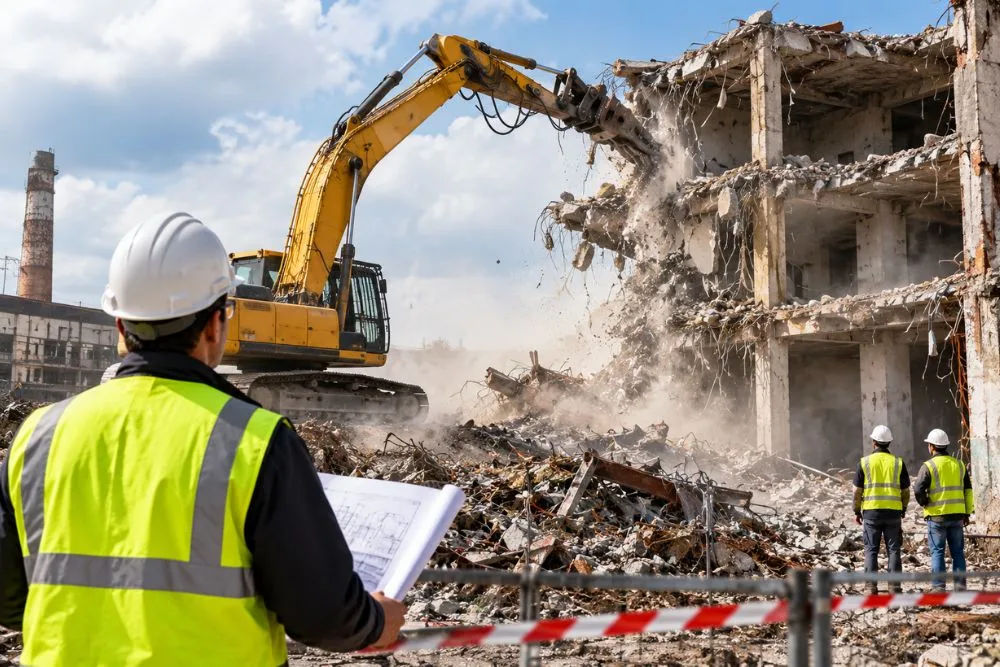
As you dive into the deconstruction phase, the challenges you face are manifold. Industrial buildings are designed to be durable and may not yield easily to demolition efforts. The presence of reinforced concrete, steel beams, and intricate piping systems requires specialised equipment and techniques.
One of the primary considerations is the sequencing of deconstruction activities. If not properly managed, you risk structural collapses that endanger your crews and the surrounding community. Modern technology, such as drones and 3D modelling, can assist you in planning and monitoring the demolition process efficiently
An often-overlooked aspect is site access. Heavy machinery must be brought in to dismantle the structures, necessitating clear access routes. Planning logistics around existing infrastructure requires foresight and flexibility should conditions alter unexpectedly.
Before any demolition begins, performing a thorough environmental impact assessment (EIA) is imperative. This assessment evaluates the potential effects of the demolition on the surrounding environment, ensuring compliance with environmental laws and regulations.
As you evaluate, pay specific attention to biodiversity, air quality, and water safety. Industrial sites might leach toxins into waterways or disrupt local wildlife habitats. Mitigating these risks calls for expert ecological advice and the integration of mitigation strategies into your demolition plan.
Failure to adhere to environmental compliance can lead to significant legal challenges and potential halts in project progress, impacting project timelines and budgets.
Waste management is a critical component of industrial demolition, representing both an environmental concern and a logistical challenge. The types of waste often include a range of materials such as concrete, metals, and hazardous substances.
To manage waste effectively, begin by categorising types of debris. Employ strategies for recycling and reusing materials to align with sustainability goals. Recycling metal components and reusing concrete as aggregate in other projects not only reduces environmental impact but also can lower costs.
Proper waste management further involves pollution control measures to prevent dust and particulate matter from affecting air quality. Employing water sprays or binding agents can mitigate these issues effectively.
Navigating the regulatory landscape presents its own set of challenges. Different jurisdictions may impose varying regulations on demolition activities, and staying informed and compliant is critical to avoiding legal complications.
You should engage with legal professionals who specialise in construction and demolition law. They can help ensure that all necessary permits are obtained prior to commencing demolition, and guide you through complex zoning laws and regulations regarding land use.
These proactive measures help you to pre-emptively address potential legal challenges, ensuring a smoother demolition process and avoiding costly delays.
Finally, ensuring the success of your demolition project involves adopting industry best practices. These strategies not only enhance efficiency but also promote safety and compliance, resulting in a more predictable and controlled project outcome.
Start by fostering a culture of safety and communication within your team. Regular meetings and updates ensure everyone is informed and aligned with the project’s objectives and aware of new developments. Using modern technologies such as drones, 3D site surveys, and project management software can improve planning, monitoring, and overall project efficiency.
By adhering to these best practices, you set the stage for not just a successful demolition project but a benchmark standard in industrial deconstruction.
Ultimately, industrial demolition projects require a nuanced understanding of numerous challenges—ranging from safety to environmental compliance and legal hurdles. As you strive to master these complexities, adopting a proactive and informed approach will be your greatest tool in executing an efficient and successful demolition project. Safety, sustainability, and adherence to regulations should always guide your actions, ensuring your project upholds the highest standards of practice expected in the industry.
Industrial demolition involves larger and more complex structures, hazardous materials, heavy machinery, and strict environmental and safety regulations. These projects require detailed planning, specialised equipment, and experienced demolition contractors to ensure safe and efficient execution.
Common safety challenges include unstable structures, falling debris, hazardous materials such as asbestos and lead, heavy equipment operation, and dust exposure. Proper risk assessments, worker training, PPE, and site safety procedures are essential to minimise these risks.
Environmental assessments help identify potential impacts on air quality, water sources, wildlife, and nearby communities. They also ensure compliance with environmental regulations and help contractors develop strategies to minimise pollution, waste, and ecological damage.
Industrial demolition waste is sorted into recyclable, reusable, and hazardous materials. Licensed disposal facilities, recycling programs, and proper waste documentation help reduce environmental impact while ensuring compliance with local regulations.
A successful industrial demolition project requires detailed planning, experienced demolition professionals, comprehensive safety measures, regulatory compliance, environmental management, and the use of modern technologies such as drones and 3D site surveys to improve efficiency and reduce risks.



We accept all major credit cards